Hi, I’m Haley Ross
Founder of CookBlocks. The app for the frozen block method.
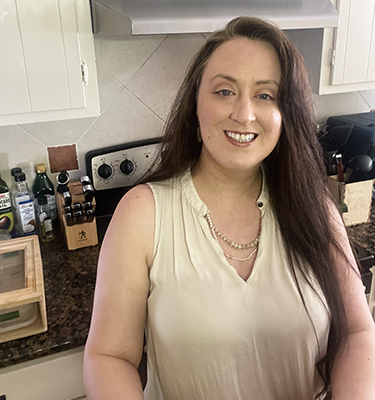
I built CookBlocks because I needed it to exist. After years of trying every batch cooking approach I could find–sheet pan Sundays, mason jar salads, full-week menus, the same chicken and rice for five days straight–I finally landed on one that worked. I call it the frozen block method, and this is the story of how I got there.
Haley Ross: Founder of CookBlocks
Background: Daughter of a Le Cordon Bleu–trained chef. Batch cooking for 10 years.
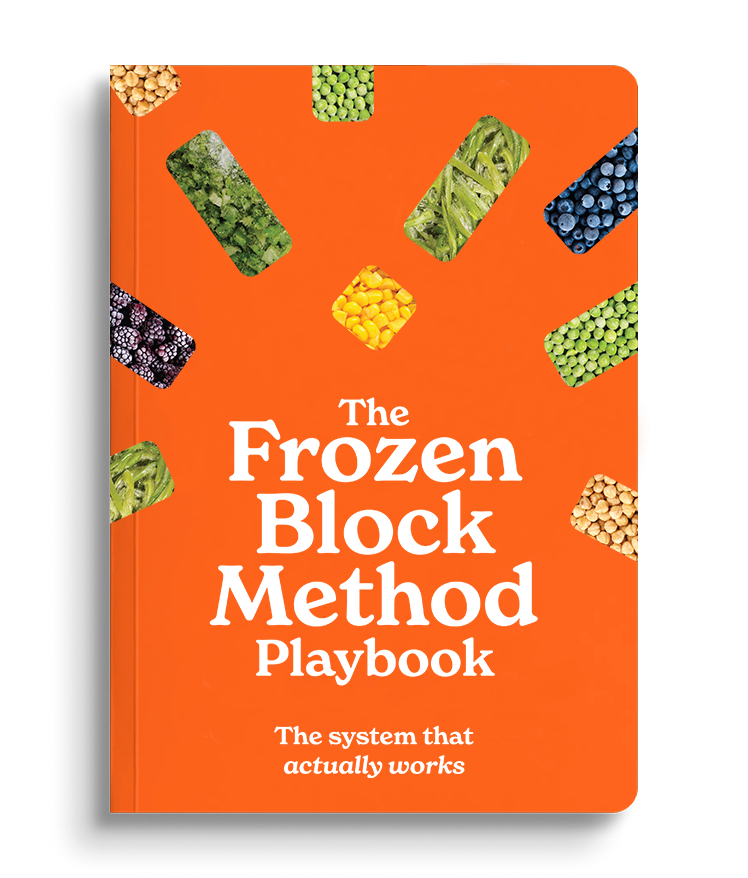
The frozen block method: A batch cooking system using standardized frozen components. Built into the CookBlocks app.
Designed for use with: Souper Cubes silicone freezer trays.
Cooking has been part of my life since I was small.

I was always learning from my mom, who went to Le Cordon Bleu in London. She was a Cajun cook by heritage, a classically-trained one by education, and an everyday cook by necessity. We lived in the Netherlands for most of my childhood, and there weren’t drive-thrus and freezer aisle dinners the way there are in America. Cooking from scratch wasn’t a lifestyle choice – it was just how food worked.
I grew up next to her in the kitchen. Helping mince, stirring pots, learning how a roux comes together, why you don’t crowd the pan, how to taste your way to seasoning. The bones of how I cook now were laid down before I was tall enough to reach the counter.

Why eating well matters to me.
I care about eating well because I watched my mom lose her health to it. We lived in Europe through most of my childhood, where the food was different–less processed, fewer additives, smaller portions of better ingredients. When my family moved back to the United States, the contrast was stark, and over time I watched what eating the standard American way did to her body. Her health declined. That loss is the reason this isn’t just a hobby for me.
I want to live, fully and for a long time. I want to feel good in my body. I want energy that doesn’t crash, weight that’s steady, a head that’s clear. None of those things are abstract anymore. I’ve watched what happens when food doesn’t support a body, and I’m not interested in finding out for myself.
I’ve tried every meal prep approach. Most of them failed.
I’ve tried Sunday meal prep, the salad-jar trend, and full-week menus pinned on the fridge. Each one fell apart in its own way. Knowing how to cook isn’t the same as having dinner ready on a Tuesday–and the gap between the kitchen I grew up in and the life I actually live (work, weeknight exhaustion, the want for variety, the spoilage of good intentions in the back of the crisper drawer) has always been the real problem.
Sunday meal prep fell apart by Wednesday because I got bored eating the same thing every day. The salad jars meant the greens went bad before I got to them. The full-week menus turned into a domino effect: one bad day cascaded into another, and by Friday I was ordering takeout and the planned food was rotting in the fridge.
Knowing how to cook isn’t the same as having dinner ready on a Tuesday.
The pattern was consistent: I’d start strong, lose interest or have something spoil, and eventually quit. The food was wasted. The money was wasted. And I was right back where I started, hungry at 6:45pm with no plan.

Then I started freezing in blocks.
The shift was simple, almost embarrassingly so: I stopped batch cooking meals and started batch cooking components. A protein, a carb, a sautéed vegetable – frozen separately in standardized portions called blocks. When dinner came, I picked one of each and combined them. I also started freezing some full meals as single blocks, sometimes pairing them with a component on the side.
The difference was immediate. Boredom stopped being a problem because the same twelve blocks could become sixty different dinners depending on how I combined them. Spoilage stopped being a problem because the freezer added weeks of life to everything. And on the nights I wanted to cook fresh, I still could – the blocks were a safety net, not a sentence.
I started using Souper Cubes silicone freezer trays for the portioning. They make consistent 1-cup portions, they’re stackable, and the food pops out clean. Any container that gives you reliable portion sizes works, but the trays made the system effortless.
This is the first meal prep approach I’ve ever stuck with for more than a few weeks. The freezer stays stocked. Dinner stops being a daily negotiation. I eat the way I want to eat, even on the days I don’t have it in me to cook.

That’s why I’m building the CookBlocks app
The frozen block method works, but running it in your head gets old. Recipe scaling, freezer inventory, what’s in stock, what to cook next, how many portions are left of which thing – it adds up. After tracking it all in spreadsheets and notes apps for too long, I started building the app I actually wanted.
CookBlocks will be the system, in your pocket. It’ll walk you through your batch cooking session – handling the math, tracking what’s in your freezer, and telling you what to combine for dinner. The first batch session will be guided so you can’t get lost. Recipes will scale automatically based on how many blocks you want to end up with.
I’m building it solo, with the help of AI tools, while still working a full-time job. It’s a small operation. That also means I get to build CookBlocks around the features I believe will make the biggest difference for batch cookers – the math, the inventory, the guidance through your first session. Founding members get first access as it comes together.
If any of this resonates, I made you something.
I made you the Frozen Block Method Playbook. It’s the frozen block method on paper – the system I actually use, the three component categories, the math that turns a small library of blocks into dozens of dinners, and starter recipes to cook from day one. It’s free, takes about 20 minutes to read, and you could batch your first session this Sunday.